The Silent Threat that Deserves Attention
Brain aneurysms have no bias or prejudice. They can impact people of all genders, ages, ethnicities or social status. In many cases, the warning signs go unnoticed or are misdiagnosed.
What is a Brain Aneurysm?
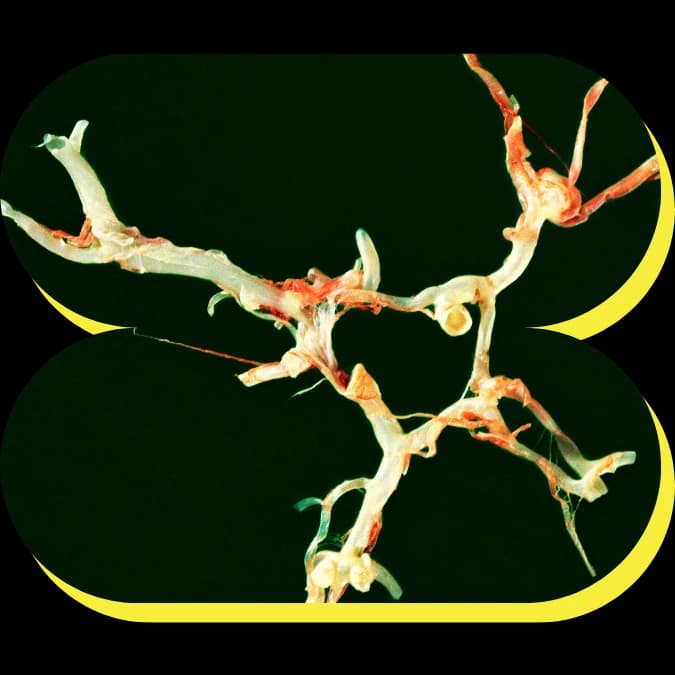
A brain aneurysm is a bulge or ballooning in a blood vessel in the brain. A ruptured aneurysm can cause a stroke and requires immediate medical attention.

When Aneurysms Rupture, Strokes Follow
A ruptured brain aneurysm is often the trigger for a stroke — one of the deadliest medical emergencies. Strokes happen in two main ways: when blood flow is blocked, or when a vessel bursts and floods the brain with blood. Both are catastrophic, and both demand immediate care.
Ischemic Stroke
Vessel Blockage
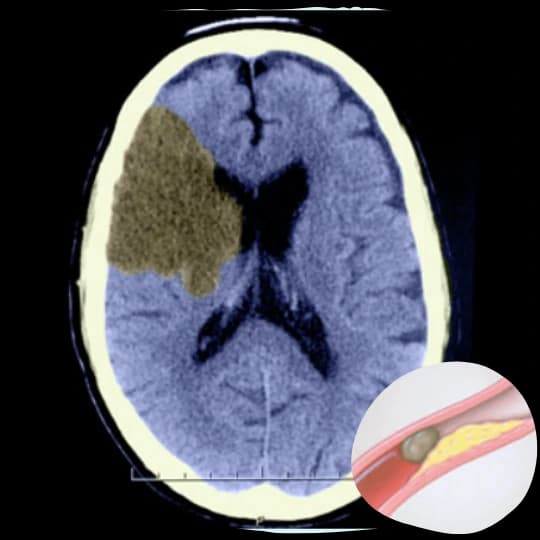
Nearly 9 in 10 strokes are ischemic. They occur when a clot stops blood from reaching part of the brain. Without oxygen and nutrients, brain cells begin dying within minutes. Fast action is the only defense. Quick recognition and emergency treatment are the only ways to limit lasting brain damage.
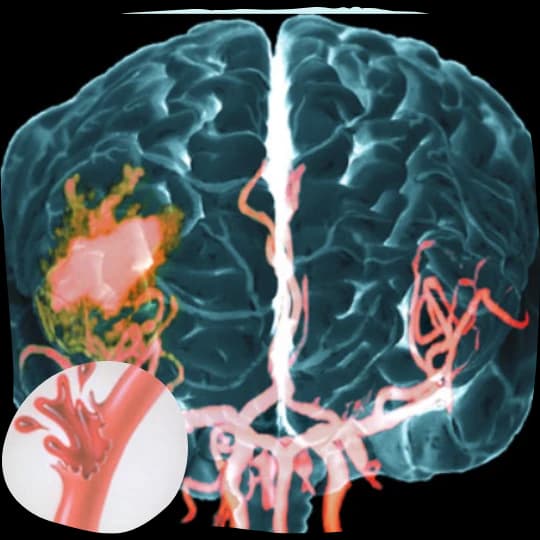
Hemorrhagic Stroke
Deadly Brain Bleeds
Though less common, hemorrhagic strokes are far more likely to be fatal. They strike when a weakened blood vessel bursts, causing uncontrolled bleeding in or around the brain. Aneurysms and AVMs (arteriovenous malformations) are structural weaknesses that make this type of stroke possible.

Who Is at Risk?
For decades, doctors believed aneurysms mainly affected older adults. Today, diagnoses are appearing at much younger ages — even in children. Family history dramatically increases risk, and lifestyle factors can also play a role.
1 in 50 people has an unruptured aneurysm — and most don't know it.
Common Risk Factors:
- Family history of brain aneurysms
- Smoking (8× higher risk)
- High blood pressure
- Trauma to the head

Warning Signs You Can't Ignore
Determining a life-threatening emergency in a child or adult shouldn't be a guessing game. If these warning signs apply to you or your child, be certain that your primary care professional asks careful questions to determine if your child has a headache that could be a symptom of an underlying brain mass like an aneurysm.
- Sudden, intense or extended headaches
- Vomiting and nausea
- Neck stiffness
- Numbness in the face
- Vision changes or drooping eyelid
- Loss of consciousness or seizures
Most aneurysms show no signs until they rupture. But when they do, the symptoms are sudden and severe.
Many children and adults first report “the worst headache of my life.”

How Doctors Detect and Treat Aneurysms
Modern imaging can detect aneurysms before they rupture. Screening may include CT scans, MRIs, MRAs, or angiograms. If diagnosed, treatment depends on age, health, and aneurysm size.
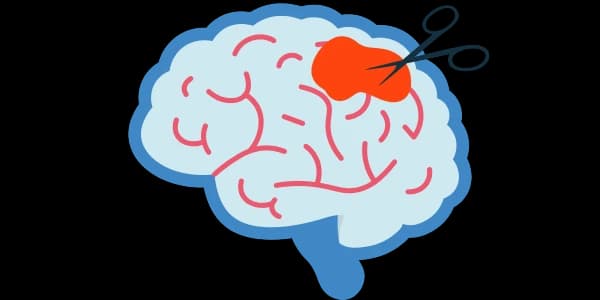
Clipping
Clipping is also a common surgical treatment for brain aneurysms. Microvascular clipping cuts off the blood flow to the aneurysm. Once the aneurysm is located, the neurosurgeon uses a microscope to clip the aneurysm's neck, stopping the blood supply. The clip remains in the patient to prevent future bleeding.
Why Awareness Matters
Despite the devastating impact, brain aneurysm disease receives far less research funding than other major conditions — just $6 million annually, compared to billions for AIDS and cancer. Without more awareness and investment, too many families remain in danger.
So, what can you do?
Advocate for brain scans
Support organizations like The Missy Project working to promote awareness and early detection of Brain Aneurysms in children and others
Know the symptoms